


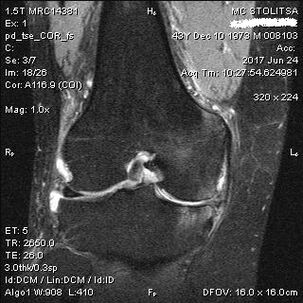
Arthrosis of the knee joint, or gonarthrosis, occupies a leading position in the incidence of arthrosis.This is a degenerative dystrophic disease of a chronic nature that affects all elements of the joint.The cartilage begins to deteriorate, changes occur in the capsule, synovial membrane, ligament apparatus and adjacent bone structures.The disease also has an additional name - gonarthrosis.
Symptoms of osteoarthritis of the knee joint
They can be more or less pronounced and depend entirely on the stage.
The pain syndrome at the beginning of the disease is almost imperceptible, but as the disease progresses it intensifies.The first phase is characterized by tiredness in the legs and decreased joint mobility, usually in the morning.
In the second stage of arthrosis of the knee joint, the pain is accompanied by a sharp sound that accompanies movement and limited mobility.
The third stage of the disease has a more serious clinical picture - the pain does not go away even at rest, serious deformations are noticeable and the joints lose their functions.Furthermore, the gear changes.
Causes of osteoarthritis of the knee joint
- Various injuries - bone fractures, sprains and ligament ruptures, bruises and others;
- excessive stress on the legs, most often among professional athletes and people who are forced to stand for a long time during the working day;
- various metabolic disorders that lead to the deposition of salts in the joint cavities;
- previous surgical operations to remove the meniscus;
- overweight and obesity of all degrees, causing excessive stress on the legs;
- inflammatory processes in joint tissues - arthritis of various types.
Diagnosis and treatment of osteoarthritis of the knee joint
The diagnosis of arthrosis of the knee joint takes place in the office of a rheumatologist or orthopedist.The doctor examines the affected joint, palpates it, listens to complaints and asks additional questions.Performs various tests - for example, asking the patient to bend their leg or take a few steps.Then, if it is necessary to clarify the stage of the disease or the nature of the pathological changes, he will refer you for additional studies.For example, for computed tomography or radiography.
The treatment of osteoarthritis of the knee joint is usually complex, aimed at eliminating pain and restoring cartilage, ligaments and joint functions.
To reduce pain, anti-inflammatories, creams and rubs are used.To protect the joint tissue - chondoprotectors.Sometimes hormonal medications are prescribed.
Physiotherapeutic procedures and therapeutic exercises aimed at activating blood circulation in the joint area and strengthening the surrounding muscles are effective.
If the changes are irreversible, surgical treatment is prescribed - prosthetics.
Prevention of osteoarthritis of the knee joint
- Eat well: your diet must contain sufficient amounts of microelements, proteins and vitamins;
- avoid excessive loads on the knee joint and its traumatic injuries;
- lead an active and healthy lifestyle, give up bad habits;
- timely treat all diseases and pathologies that can provoke the appearance of osteoarthritis;
- control your body weight and prevent obesity.